

Jeep Wranglers thrive on open trails and rough roads, but the right tire really makes or breaks your experience. Some tires balance on-road comfort with off-road bite, while others dig deep into mud and loose dirt.
Choosing your tire impacts traction, ride feel, fuel economy, and how your Jeep handles whatever you throw at it.
When you start shopping, pay attention to tread type, load rating, and whether the tire fits your wheel and suspension setup.
Think about your needs: reinforced sidewalls for rocks, a quieter ride for the daily commute, or maybe a tire that can handle towing heavy loads at highway speeds.
I’ve tested and compared some of the best options out there, hoping it helps you zero in on the right tire for your Jeep and your adventures.
Best Tires for Jeep Wrangler
Here’s a list of top tires for your Jeep Wrangler. You’ll see picks for street use, off-road trails, and all-weather driving—depends on your style and where you roam.
Goodyear Wrangler Adventure Kevlar 255/70R18

Pick these if you want a quiet on-road ride but still need a tire that can take some off-road abuse, thanks to that Kevlar layer.
Pros
- Sidewalls shrug off cuts and scrapes.
- Ride stays quiet and comfortable on pavement.
- Wet and light snow traction is solid.
Cons
- Price runs higher than basic AT tires.
- Deep mud isn’t their strong suit.
- Some folks notice extra noise on rough pavement.
I put these on my Wrangler and right away, the ride felt smoother. Highway noise dropped compared to the chunky mud tires I had before.
Cornering felt more planted, and on dirt tracks, these held their own for basic trails. The open shoulders tossed away light mud and gravel, but I wouldn’t trust them for serious rock crawling or boggy mud pits.
Rainy days didn’t faze them—the grip stayed confident. The Kevlar sidewalls gave me peace of mind after scraping a few trail edges, though honestly, I did pay a premium for that.
If you split your time between daily driving and light trail work, these are a solid bet.
Finalist Terreno M/T 265/70R17
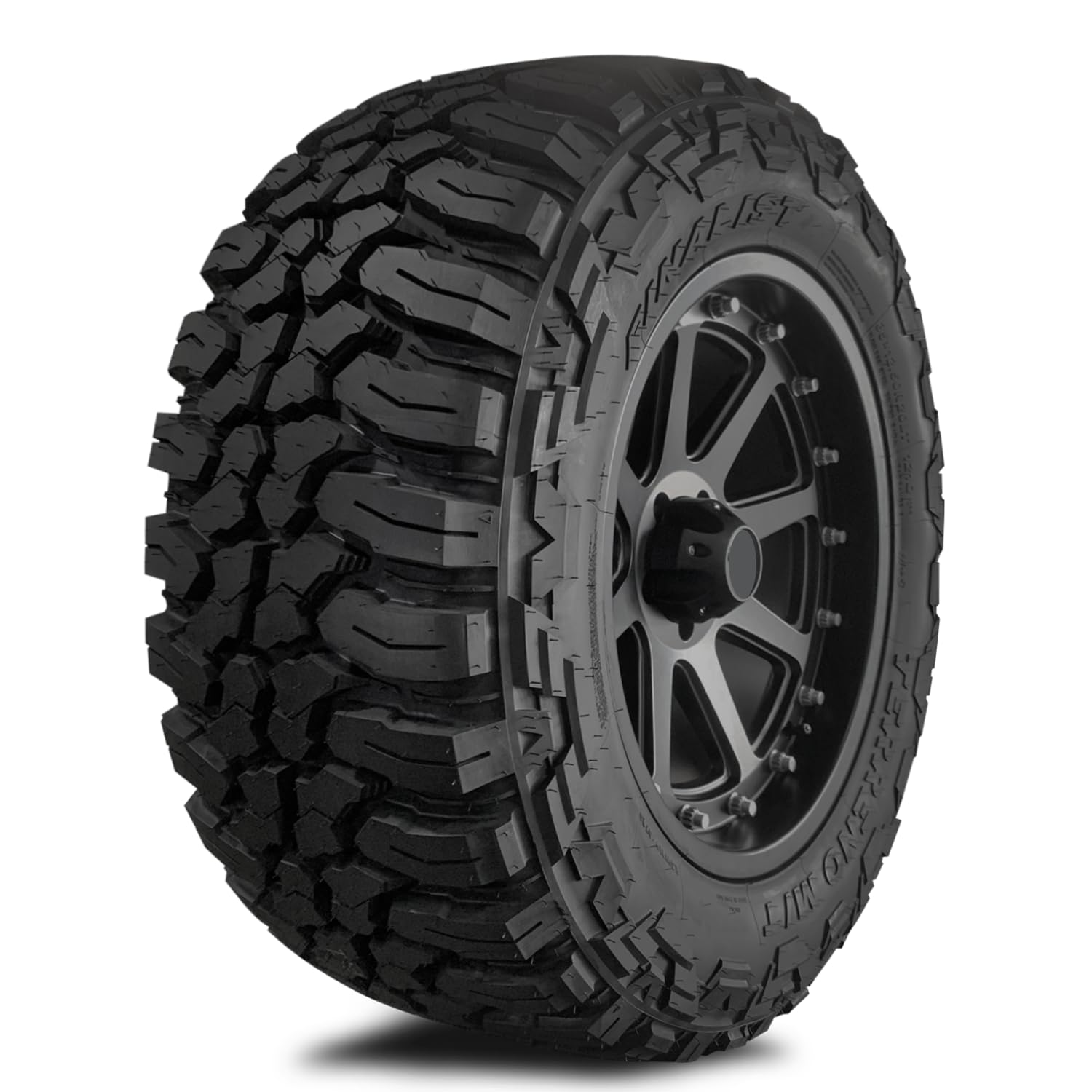
Go for these if you want real mud-terrain grip and a beefy sidewall, but be ready for more road noise than your typical all-terrain.
Pros
- Rugged feel and reinforced sidewall for trail punishment.
- Strong off-road traction, especially in mud and loose dirt.
- 3-year road hazard and 5-year defect warranty.
Cons
- Road noise is hard to ignore—expect a hum.
- Balancing can be tricky on some wheels.
- Heavier, firmer ride than street-oriented tires.
I slapped these on and hit a mix of dirt, rocks, and highway just to see. They look tough and made me feel more confident on rocky trails.
Small rocks and sharp edges didn’t worry me, thanks to the three-ply sidewall. On loose dirt and mud, the Terreno M/T just kept digging—no drama, no spinning in place.
Steering stayed predictable, but the ride definitely felt firmer than stock. There’s a trade-off here: better off-road performance, rougher road manners.
On the highway, the hum got noticeable once I hit city speeds. Balancing took extra effort, and I’ve heard others say the same. The tread looks thick, so I’m guessing these will last, but you’ll need to put up with the noise.
If you’re on a budget and want mud-terrain protection, these do the job. If you hate noise, maybe look elsewhere.
Crosswind Rugged Traxx 255/70R18
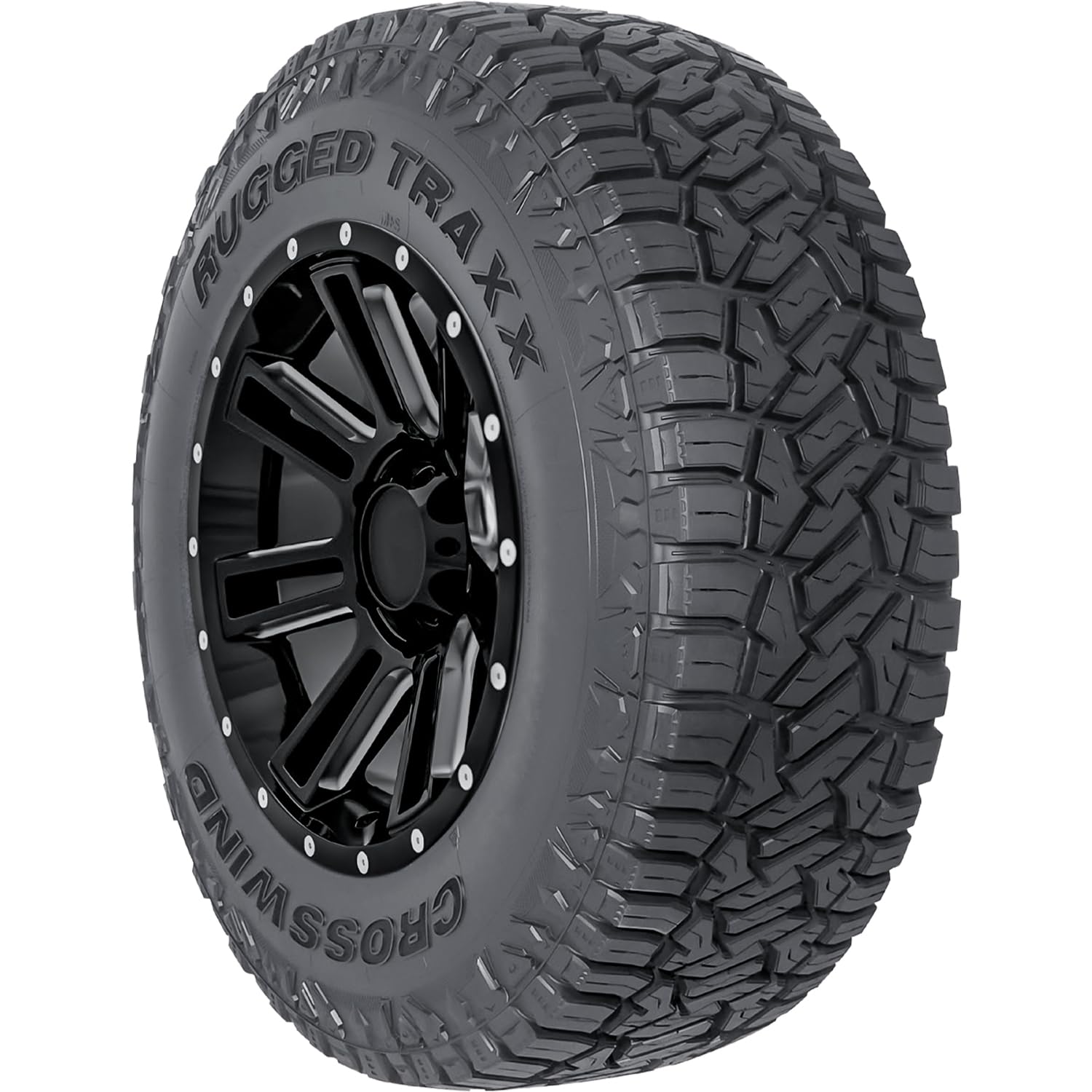
These are for you if you want a wallet-friendly all-terrain that can handle trails and still keep things quiet on the road.
Pros
- Bites well off-road, especially on mud and soft stuff.
- Surprisingly quiet for how aggressive they look.
- 50,000-mile limited tread warranty.
Cons
- Wet pavement traction could be better.
- Not a ton of real-world reviews yet.
- Not as polished as the big-name all-terrains.
I ran these for a few weekends on the trails and during the workweek. They hooked up in loose dirt and mud, and the tread pattern dug in where I needed it.
Climbing rocky bits felt stable and predictable. On pavement, I expected more noise, but honestly, they stayed pretty chill.
Long highway drives felt comfortable; not much vibration compared to other off-road tires I’ve tried. In the rain, though, I noticed less grip—definitely slow down and leave extra space.
If you’re splitting time between trails and pavement and don’t want to break the bank, these are worth a shot.
Buy link: Crosswind Rugged Traxx All Terrain 255/70R18 116T XL Light Truck Tire
Goodyear Wrangler Territory HT
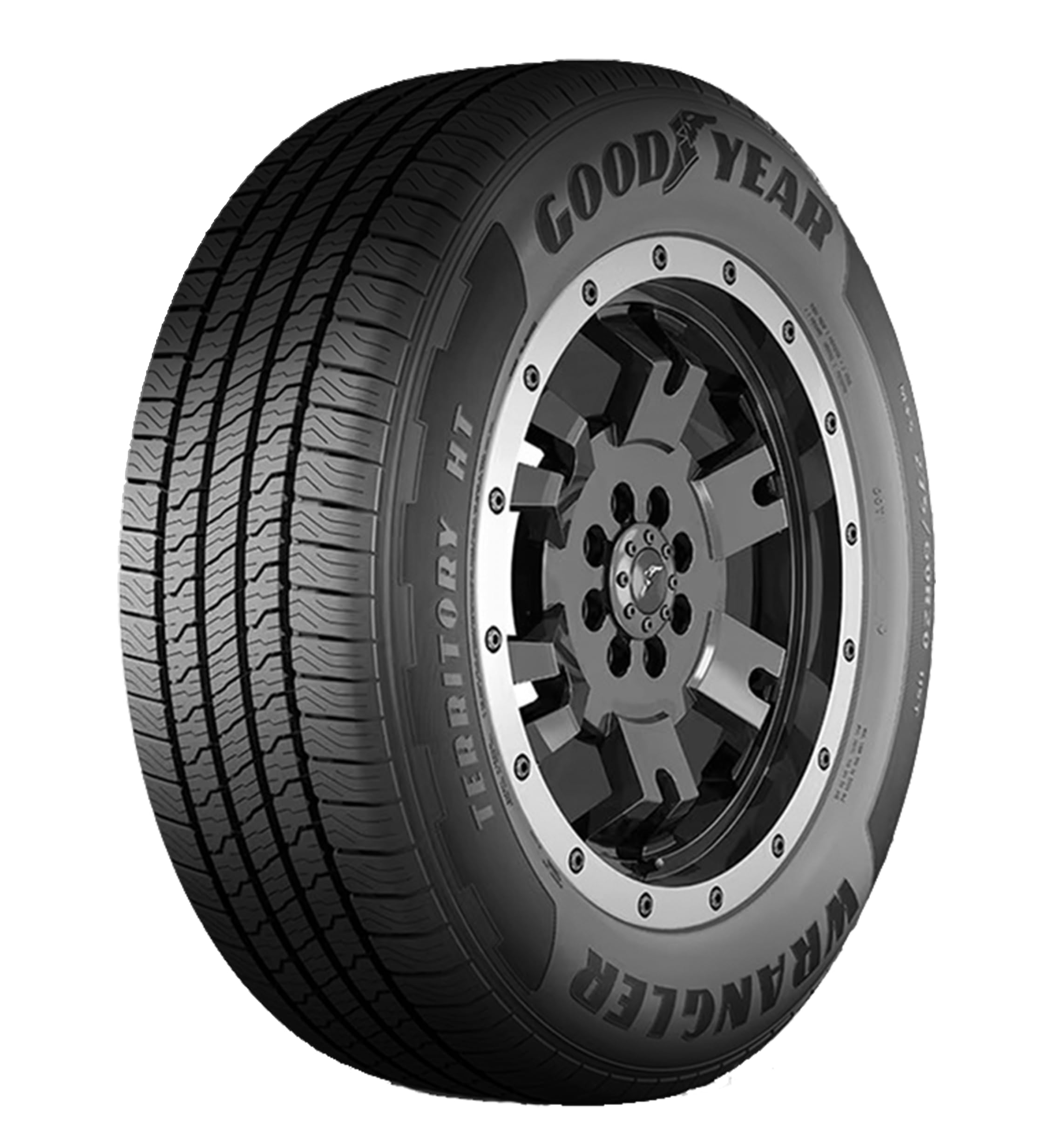
Go with these if you’re after a quiet, durable all-season tire that feels at home on the highway and in wet weather.
Pros
- Smooth, quiet ride on pavement.
- Feels tough enough for daily driving.
- Predictable handling in wet and dry.
Cons
- No mileage warranty.
- Some buyers say the sidewalls feel thin.
- Not built for serious off-road.
I used these for daily driving and long highway trips. The ride stayed calm at freeway speeds, and road noise dropped compared to my last set.
Steering felt light and precise, which made longer drives easier. In the rain, the Territory HT held on and stopped without fuss.
No weird sliding or wandering on wet pavement, which I appreciated. If you stick to paved roads, these just work.
Don’t expect them to handle rocks or deep mud. The sidewalls feel pretty standard for a highway tire, so I wouldn’t risk them on rough trails. Also, if you want a mileage guarantee, these don’t come with one.
Goodyear DuraTrac RT 255/75R17

Pick these if you need a tough, all-season tire that can handle trails and winter with extra sidewall protection.
Pros
- Sidewalls shrug off punctures and cuts.
- Extra biting edges help in snow.
- Kevlar makes the tread more damage-resistant.
Cons
- Feels firmer and less plush on smooth highways.
- Some folks say wet-weather grip is hit or miss.
- Louder on rough pavement than highway tires.
I ran these on a rocky trail and felt more confident right away. The three-ply sidewall and Durawall compound shrugged off scrapes that would’ve worried me with other tires.
On packed snow, the tread bit through slush and held a line better than my previous all-terrains. That extra grip comes in handy, especially on steep or loose climbs.
Highway time was a mixed bag: the DuraTrac RT steered predictably but felt firmer and sent more road texture through the wheel. If you split your time between trails and around town, they make sense. If you’re mostly on the freeway, you might want something softer.


Buying Guide
Start by thinking about how you actually use your Jeep Wrangler. Are you mostly on highways, mud, rocks, sand, or snow? Match the tire to your main driving conditions.
Check your tire size and load rating—usually on your Jeep’s placard or in the manual. Pick the wrong size and you’ll mess with handling and the speedometer. The load rating matters for carrying your gear safely.
Tread pattern and rubber compound affect grip and how fast the tire wears. Aggressive treads help off-road but can be noisier on pavement. Softer rubber grips better in cold or wet, but it wears out faster.
Look for strong sidewalls if you plan to air down or hit rocky trails. Tougher sidewalls resist punctures and handle lower pressure. Bias and radial construction each have their pros—bias is tougher, radial rides smoother.
Pay attention to speed rating, treadwear warranty, and traction grades. Speed rating tells you how the tire handles at higher speeds. Warranties and ratings offer clues about expected life and performance.
Aggressive tires usually mean more noise and worse fuel economy. If you drive a lot, comfort and low rolling resistance matter.
Here’s a quick checklist:
- Size and fitment
- Load and speed ratings
- Tread pattern and compound
- Sidewall strength
- Treadwear and traction ratings
- Fuel economy and noise
Always have a pro check your alignment and balance when you get new tires. Good mounting extends tire life and keeps your Jeep safe.

Frequently Asked Questions
Here are some quick answers on tire models, sizing, and care for your Jeep Wrangler. I’ll cover all-terrain and winter options, brands that last, off-road traction, sizing, and when to swap them out.
What are the top-rated all-terrain tires suitable for a Jeep Wrangler?
Some of the best-rated all-terrain tires for Wranglers are the BFGoodrich All-Terrain T/A KO2, Goodyear Wrangler All-Terrain Adventure, and Falken Wildpeak A/T3W.
They mix comfort and grip, and come in popular Wrangler sizes like 265/70R17 and 35×12.50R17.
How do I choose the best winter tires for a Jeep Wrangler?
Go for winter tires with the three-peak mountain snowflake symbol—they’re built for real snow. Narrower tires pack snow better.
Stick with sizes like 265/70R17 or 255/75R17 to fit your Jeep without rubbing.
What are the long-lasting tire brands for Jeep Wranglers?
BFGoodrich, Michelin, and Toyo are known for long tread life on Wranglers. Models like the BFGoodrich KO2, Michelin LTX A/T2 (for lighter Jeeps), and Toyo Open Country A/T III usually last longer before you need to swap them out.
Can you recommend tires that provide the best traction for off-roading in a Jeep Wrangler?
If you want serious traction off-road, grab some aggressive mud-terrain options like the BFGoodrich Mud-Terrain T/A KM3 or Nitto Trail Grappler M/T.
But if you’re hoping for a tire that can handle mud yet still feel decent on pavement, the Toyo Open Country R/T or Falken Wildpeak AT3W might hit the sweet spot.
What size tires should I consider for optimal performance in a Jeep Wrangler?
Go with sizes that match your Wrangler’s trim and lift setup. Common stock sizes are 245/75R16, 265/70R17, and 285/70R17.
If you’ve lifted your Jeep an inch or three, a lot of folks upgrade to 33–35 inch tires (like 33×12.50R17 or 35×12.50R17). Just double-check clearance and gearing before you make the jump.
How often should I replace the tires on my Jeep Wrangler for maximum safety and performance?
Swap out your tires when the tread depth drops to 4/32″—especially if you drive in wet or wintry conditions.
For dry roads, the legal minimum is 2/32″, but honestly, that’s cutting it close.
If your tires hit six years old, it’s probably time to get new ones, even if the tread looks fine.
Keep an eye out for cracks, bulges, or weird wear patterns; those are signs you shouldn’t ignore.
