Mud tires give you a way through wet, muddy, or loose terrain when all-terrains just spin and slip. They use deep, chunky tread and wide voids to dig in and clear mud fast, so you don’t get stuck as easily.
For daily driving, you want mud tires that still feel stable, quiet enough, and safe on pavement. Off-road confidence is great, but not if you’re dreading the drive to work.
Choosing mud tires for everyday use is a balancing act. You have to weigh grip off road against comfort and how long they’ll last on pavement.
Tread pattern, rubber compound, and tire size all matter. Aggressive treads bite into mud but can be loud and wear out quicker; softer rubber grabs dirt but may fade faster on the highway.
Pick mud tires with a tread and compound that match your highway miles while still letting you play in the dirt. I tried and compared a bunch to help you find mud tires that actually work for daily life.
Best Mud Tires for Daily Driving
Finding the right mud tires for daily driving means juggling traction, comfort, and noise. Here are some options that handle rough roads and mud but don’t ruin your commute.
Sailun Terramax RT 265/50R20

Go for these if you want a rugged, RT-style tire that still feels good on the street.
Pros
- Good snow and wet traction for daily use.
- Comfortable ride with less road roar than other mud tires.
- Tough look that improves your vehicle’s stance.
Cons
- A bit louder than stock tires on long highway runs.
- Not as aggressive in deep mud as true MT tires.
- Some sizes can be heavy and affect fuel economy slightly.
I put these on my SUV and drove mixed roads for a month. They felt planted through corners and soaked up potholes better than my old all-seasons.
Snow commutes felt secure. The 3PMS rating actually meant something—stops and turns were sure-footed on slush and packed snow.
Highway trips brought a steady hum, but it faded into the background after a while. If you want silence, look elsewhere, but these didn’t drone or get annoying.
I tried them on gravel and light trails too. They shed stones and stayed balanced, so daily dirt-road detours were no problem.
If you’re chasing hardcore mud every weekend, you’ll want something more aggressive. But for a daily tire that handles bad weather and the occasional off-road job, these work well and won’t empty your wallet.
Forceum M/T 08 Plus
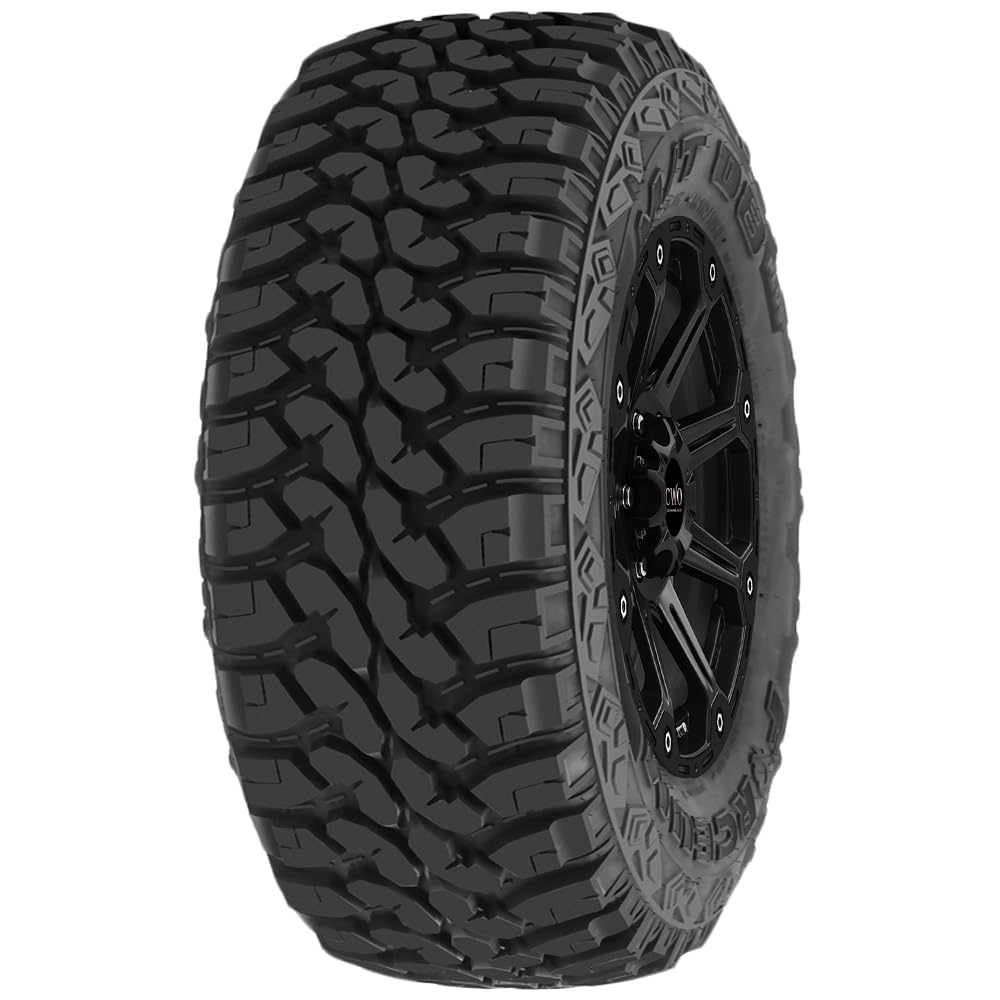
If you want a mud-terrain that doesn’t feel out of place on pavement, this is a solid option.
Pros
- Great mud and snow clearing from the tread
- Noticeable steering response and on-road stability
- Good value for the price
Cons
- Louder than highway tires, especially at low speeds
- Some quality control reports about balancing and belt issues
- Firmer ride at first until they break in
I ran these on a lifted truck around town and through muddy trails. They hooked up in deep ruts and cleared wet clay fast, so you spend more time moving and less time spinning.
The center rib made steering feel more direct than other M/Ts I’ve used.
On pavement, they’re louder than all-terrains but not unbearable. Highway cruising felt steady, though the first few hundred miles felt firmer until the tires softened up.
Tread blocks stayed planted and I didn’t notice wandering at normal speeds.
Just watch for mixed quality reports. Most sets worked fine for me, but a few folks mentioned balance or internal damage problems right out of the box.
If you buy a set, have them mounted and balanced by a good shop and check for issues early.
If you want real mud performance but still need to drive to work, these are worth a look—just expect some noise and check the tires at install.
Sentinel Scout RT 33×12.5R20

Try these if you want serious mud traction on the street and don’t mind a firmer, noisier ride.
Pros
- Strong grip in mud and loose dirt
- Reinforced shoulders resist cuts and punctures
- Treads shed mud quickly so traction stays usable
Cons
- Noticeably louder on highway drives
- Ride feels stiffer than highway tires
- Size and weight can complicate shipping or fitment
I ran these on my truck around town and on a muddy trail. They dug into ruts and didn’t spin out, which was a relief off-road.
On pavement, they stayed stable, but you feel every dip thanks to the firm tread and sidewalls.
Mounting and delivery took more effort than other sets. The tires arrived separately and they’re heavy—plan for some shop time.
Expect more tire roar at highway speeds; you’ll hear it on every cruise and it gets old on longer trips.
The strong shoulders and deep self-cleaning grooves keep mud flying out. That helps when you bounce between trails and the street, since the tires regain traction quickly once you’re back on pavement.
Accelera M/T-01 (Accelera M/T-01 Mud Off-Road)
Pick these if you want a budget-friendly, tough mud tire that won’t beat you up every day.
Pros
- Solid off-road bite and deep tread that cleans mud well.
- Comfortable ride for a mud tire at normal speeds.
- Good load capacity and rugged 10-ply feel.
Cons
- Noticeable road noise at higher speeds.
- Some buyers report size labeling issues—double-check fit.
- May need careful balancing to reduce vibration.
I ran these on a light truck for daily use and weekend trails. They hooked up well in soft dirt and stayed planted on wet gravel.
On pavement, they didn’t ride harsh, but you will hear them at highway speeds.
Tread cut through ruts and mud without clogging. The sidewalls held up well against rocks and brush.
Balancing is important—one tire needed extra weight to calm a shimmy.
Expect decent wear if you mostly stick to pavement, but don’t expect luxury-level quiet. If you want a tough mud tire that’s still okay for daily driving and won’t cost a fortune, these are worth a look.
BFG KM3 Mud-Terrain

Try these if you want top-tier mud and rock grip on your daily driver and don’t mind some extra noise and weight.
Pros
- Excellent grip in mud and on rocks.
- Tough sidewalls resist punctures.
- Feels confidence-inspiring off road.
Cons
- Heavier and firmer ride than all-terrains.
- Noticeable road noise at highway speeds.
- Lower fuel economy from added rolling resistance.
I ran these on my truck for daily commutes and weekend trails. The KM3 claws out of deep mud and climbs rocks better than most mud tires I’ve tried.
You trade quieter highway manners for that extra bite.
On pavement, they feel a bit stiff and you’ll notice more road noise, but they never felt sketchy or loose.
Braking and wet traction were fine for everyday use, though you’ll get more feedback through the wheel.
The sidewalls took a beating on sharp trail edges and debris, but I never got a flat. The tread held up well over mixed terrain.
If you need real mud capability but still drive every day, these strike a solid balance.
Buying Guide
Key factors to consider
You want tires that balance traction and comfort for daily use. Look for tread patterns that grip mud but still ride quietly on pavement.
Tread pattern and compound
Pick a tread that sheds mud fast and doesn’t hold onto stones. Softer rubber grabs better but can wear out sooner; harder compounds last longer but might lose some grip.
Size and load rating
Choose the right size for your vehicle so handling and your speedometer stay accurate. Check the load and speed ratings to match your needs.
Wet and dry performance
Find tires with good water channels to cut down on hydroplaning. You want steady braking in the rain, not just off-road bite.
Ride comfort and noise
Look for features like variable tread blocks or noise-reducing layers to help with road noise. A smoother carcass can make rough pavement less annoying.
Durability and puncture resistance
If you drive rough roads a lot, get tires with reinforced sidewalls or extra plies. Stronger builds help prevent cuts and flats.
Fuel economy and rolling resistance
Lower rolling resistance means better fuel economy. Check ratings or manufacturer data to find tires that won’t kill your gas mileage.
Warranty and service
Look at treadwear warranties and road hazard coverage. Good warranty terms give you some peace of mind.
| Feature | Why it matters |
|---|---|
| Tread design | Mud clearing and on-road stability |
| Compound | Traction vs. wear life |
| Size & ratings | Safety and handling |
| Noise & comfort | Daily driving pleasure |
| Durability | Fewer flats and longer life |
Frequently Asked Questions
Here’s what you need to know about mud tires for daily driving—traits, trade-offs, top models, rotation, seasons, and mileage.
What features should I look for when choosing mud tires suitable for daily driving?
Go for a tread pattern with deep voids for mud but a solid center rib for highway stability. Reinforced sidewalls help prevent punctures, but don’t pick something so stiff that the ride gets rough.
Check the UTQG ratings for treadwear and traction. If you care about noise, try an “all-terrain/mud-terrain hybrid” or a quieter compound.
How do mud tires affect fuel efficiency and road noise in everyday use?
Mud tires usually bump up rolling resistance, so you might lose 1–3 mpg depending on size and design. Wider, heavier tires drop your gas mileage more.
You’ll hear more road noise, especially on the highway. Hybrids and quieter tread blocks help, but pure mud tires are always louder than highway tires.
What are the top-rated mud tires for balancing off-road performance with on-road comfort?
Look for hybrid mud-terrains from brands like BFGoodrich, Nitto, and Toyo. Models like BFGoodrich All-Terrain T/A KO2, Nitto Ridge Grappler, and Toyo Open Country R/T usually hit the sweet spot.
Compare independent tests for ride comfort, noise, and wet braking to find what fits your daily routine. Match tire size and load rating to your vehicle.
How often should mud tires be rotated for optimal wear when used for daily commuting?
Rotate mud tires every 5,000 to 7,000 miles to keep wear even. Follow your vehicle’s rotation pattern and check for directional treads.
Inspect for uneven wear, sidewall cuts, and weird tread depth each time you rotate. If you spot rapid or uneven wear, get an alignment.
Can mud tires provide good traction in all seasons, or are they primarily for off-road conditions?
Mud tires shine in loose, muddy, and rough terrain but struggle on ice or packed snow compared to winter tires. Some hybrids have the mountain/snowflake symbol and work okay in light snow.
For wet pavement, pick a mud tire with siping and water channels to lower hydroplaning risk. Still, for real winter, nothing beats a true snow tire.
What is the expected lifespan of high-quality mud tires when used on regular paved roads?
If you stick with high-quality mud tires and mostly drive on pavement, you can usually expect them to last somewhere between 30,000 and 50,000 miles. Driving habits matter a lot, though—if you’re heavy on the throttle or haul big loads, you’ll probably wear them out faster.
Aggressive tread patterns tend to chew themselves up quicker. That’s just the tradeoff for all that grip.
Rotate your tires regularly, keep them aligned, and don’t forget about proper inflation. These simple things really do help your tires last longer.
Keep an eye on your tread depth. Once you get down to about 4/32″, it’s time to think about swapping them out if you want to stay safe on wet roads.