

Small SUVs split the difference between compact cars and chunky crossovers. You get decent cargo space, a bit of extra ride height, and, honestly, most of them sip less gas than their bigger siblings.
When you pick tires for a small SUV, you want a good mix of comfort, grip, and long tread life. That way, your daily commute or weekend getaway doesn’t turn into a headache.
Tires really make the difference for traction in rain or snow, how smooth the ride feels, and how long they last. Choose tires that fit your usual driving—city, highway, or winter—and double-check the size, load, and speed ratings for your SUV. We put a bunch of options through their paces to help you find the best tires for your small SUV.
Best Tires for Small SUVs
Here’s a list of top tires for small SUVs, handpicked to help you find the right fit. You’ll see options that balance grip, comfort, and fuel economy, so you can pick what feels right for your weather and roads.
Ironman RB-SUV 235/65R18

This one’s a solid budget all-season tire if you want a comfy ride and decent mileage for city and highway runs.
Pros
- Smooth, quiet ride on pavement.
- Deep tread, promising good mileage.
- Handles the weight of small SUVs well.
Cons
- Tread isn’t great for deep snow or heavy off-road.
- Some folks saw early wear on certain sets.
- Not much top-tier brand support or recognition.
I threw these on my small SUV for daily driving and road trips. They felt stable and pretty quiet at highway speeds, soaking up rough pavement nicely.
Cornering was predictable—nothing sporty, but I never felt sketchy. After a few months, I kept an eye on tread wear and mileage stayed steady.
Wet traction stayed solid in rain, but, honestly, hard-packed snow made me wish for winter tires. If you mostly drive in mild climates, that’s probably fine.
Installation was painless, and the price meant I could swap all four without sweating the budget. If you need hardcore snow or off-road grip, look elsewhere. For everyday use, these offer real value and comfort.
Mastertrack Badlands ATX (Set of 4)
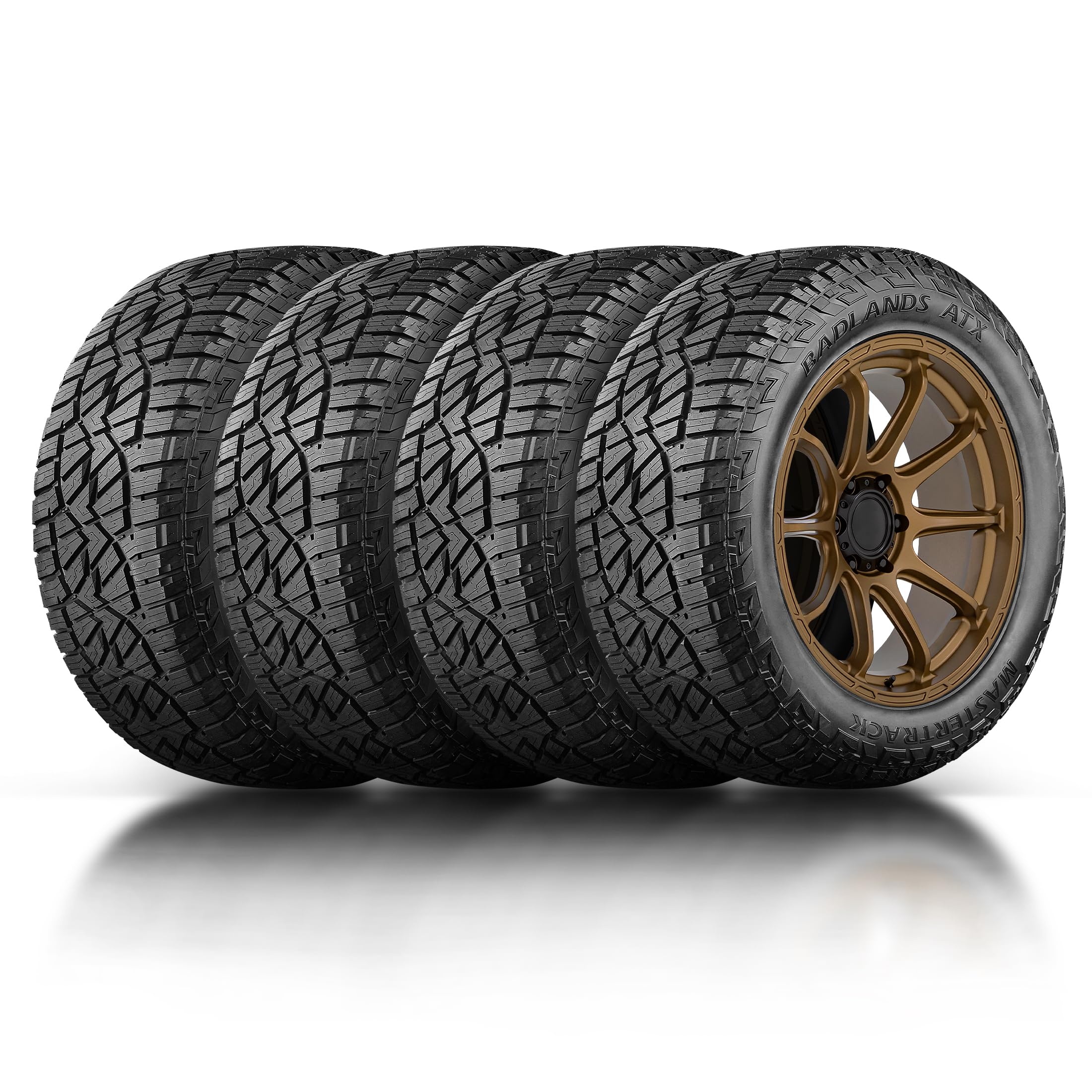
If you want a quiet, tough all-terrain tire that handles pavement and light trails, these are worth a look.
Pros
- Quiet ride on pavement.
- Good wet traction and water clearing.
- Strong sidewalls for rougher roads.
Cons
- Louder off-road than on the highway.
- Not really a winter tire.
- Feels a bit stiff on really rough trails.
I put a set on my small SUV and noticed they rolled quietly at speed. Steering felt sharp and braking in rain was sure-footed, thanks to those drainage grooves.
On gravel and light trails, they held traction and didn’t send much noise into the cabin. The beefy sidewalls made me more confident on rutted roads and shrugged off small scrapes.
Wear looked even after a few hundred miles, and the ride stayed steady under load. If you’re after deep snow or mud performance, these aren’t it, but for mixed daily driving and the occasional off-road detour, they’re solid.
Pirelli Scorpion STR

If you’re aiming for a quiet, confident all-season tire with long tread life for your small SUV, this one’s a contender.
Pros
- Smooth, quiet ride at highway speeds.
- Grips well in rain and light snow.
- Lasts longer than most in its class.
Cons
- Not sold everywhere.
- Costs more than budget brands.
- Feels a bit firm on rough roads.
I swapped these onto my crossover and immediately noticed how calm the cabin felt at speed. Cornering was planted, without the jittery feel of cheap tires.
On wet pavement, braking stayed steady and steering stayed predictable. Light snow didn’t faze them, though I wouldn’t call these true winter tires.
Getting them mounted and balanced right made a real difference—they rolled smooth and quiet. If you want a high-quality all-season that goes the distance, these are worth a shot.
Buy the Pirelli Scorpion STR on Amazon
Landgolden LGS87 (Set of 4)
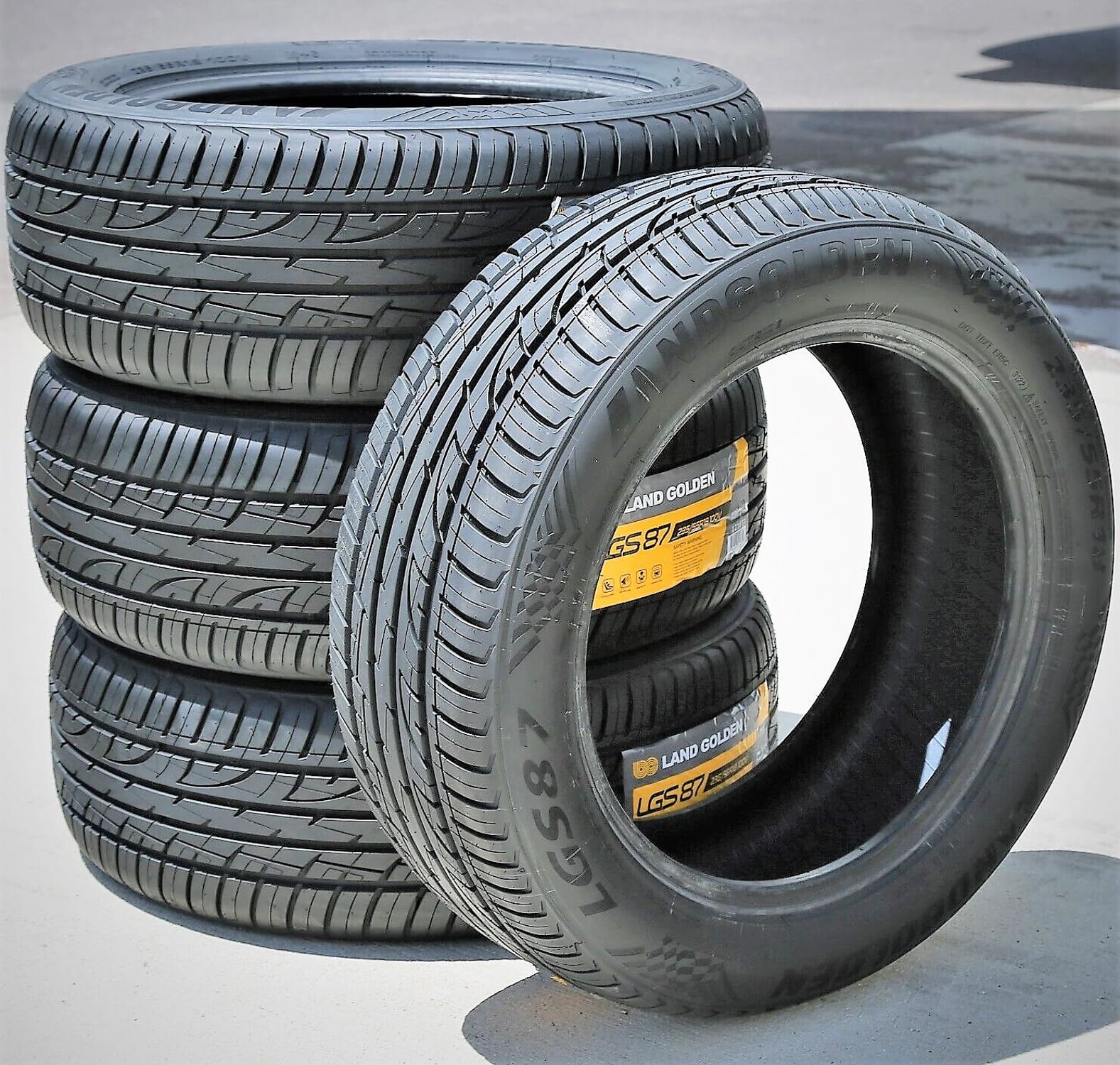
If your budget is tight and you want a quiet all-season tire with good wet handling for a small SUV, these are worth a look.
Pros
- Strong wet grip, resists hydroplaning.
- Quiet, smooth ride at highway speeds.
- Promises good tread life for the price.
Cons
- Tires can show up in separate packages.
- Brand isn’t as well-known as the big names.
- Not many reviews for long-term use.
I put these on my small SUV and did a mix of city and highway miles for a few hundred miles. The ride was quiet and planted, and steering felt snappy, especially at speed.
Road noise dropped compared to my old tires. In light rain, the wide grooves cleared water well and the car stayed stable through puddles.
Light snow gave decent grip, but I wouldn’t trust these in real winter weather. Shipping was a bit weird—the set arrived in separate boxes, but installation was easy and they looked good on the rims.
I’d keep an eye on long-term wear since there aren’t a ton of user reviews yet.
Ironman RB-SUV (235/65R17)

Here’s a solid budget choice if you want a quiet, smooth all-season tire without breaking the bank.
Pros
- Comfortable, smooth ride.
- Great value for the money.
- Low noise, balanced feel.
Cons
- Doesn’t last as long as premium options.
- Not great for high-speed driving.
- Some folks mentioned quality control issues.
I ran these on a small SUV for a few months and about 8,000 miles. They felt steady on dry roads and cornered predictably. Braking was fine for normal driving, and noise stayed low on the highway.
Mounting and balancing went smoothly and didn’t need much extra weight. The tread gave a calm ride in light rain, but I wouldn’t push them in serious wet weather.
They handled potholes and city bumps without beating me up. If you need a cheap all-season tire that rides quietly and balances well, these fit the bill for daily driving. Just don’t expect top-tier wet grip or super long life.


Buying Guide
Start by matching your tires to how and where you drive. Mostly city streets? Lots of highways? Rough roads? That shapes the kind of tire you want.
Check the tire size and load rating on your vehicle placard or in the manual. The right size keeps handling safe. Load rating needs to meet or beat your SUV’s weight.
Think about traction and tread for your climate. All-season treads do fine for mixed weather, but if you see snow or heavy rain, look for tires with better grip in those conditions.
Durability and tread life matter for your wallet. Higher treadwear numbers mean the tires should last longer. Warranties can help cover defects or early wear.
If you care about noise and comfort, look for softer sidewalls and tread patterns that cut road noise. Reviews will clue you in on how they really feel.
Balance price, performance, and safety. Don’t just grab the cheapest tire—sometimes spending a little more pays off in fuel economy or shorter stopping distances. Remember to factor in the cost of installation, balancing, and alignment.
Quick checklist:
- Tire size & load rating match your SUV
- Tread type fits your climate and roads
- Treadwear rating and warranty line up with your mileage goals
- Comfort and noise match what you want
- Total cost includes install and maintenance
Compare specs and read real-world reviews before you buy. Make sure the tires you pick fit your driving and safety needs.


Frequently Asked Questions
Here are straightforward answers on top brands, tire sizing, winter traction, when to replace, fuel-saving options, and picking a good all-season. I tried to keep it practical.
What are the top-rated tire brands for compact SUVs?
Michelin, Continental, Bridgestone, Pirelli, and Goodyear usually top the list for comfort, wear, and wet grip.
Some models to check out: Michelin CrossClimate2, Continental TrueContact, Bridgestone Dueler H/L Alenza, Pirelli Scorpion Verde, and Goodyear Assurance WeatherReady.
How do I determine the optimum tire size for my small SUV?
Look on your current tire’s sidewall for a code like 225/65R17.
The placard on your driver’s door jamb or the owner’s manual will confirm the right size and load rating.
What types of tires offer the best traction for small SUVs in winter conditions?
True winter (snow) tires with the mountain/snowflake symbol grip best on ice and packed snow.
Studdable or studded winter tires bite into ice, while studless winter tires use special rubber to stay flexible in the cold.
How often should I replace tires on a compact SUV for optimal safety and performance?
Swap tires when tread depth hits 3/32″ for poor wet or winter grip, or 4/32″ if you want safer wet braking.
Replace at least every 6 years, and definitely by 10 years, even if they look okay—cracks or sidewall damage mean it’s time.
Are there specific tires that improve fuel efficiency in small SUVs?
Low rolling-resistance (LRR) tires help save gas.
Look for “eco” or “fuel-saving” labels, like Michelin Energy Saver or Continental EcoContact lines, and check their fuel economy claims if you’re curious.
What should I look for when selecting all-season tires for a small SUV?
Start with the basics: tread life warranty, wet traction ratings, and how the tire handles in real-world reviews.
Look for all-seasons that balance wet and dry grip. If you’re always on the road, a treadwear rating over 40,000 miles is a safe bet.
Don’t forget about road noise—nobody wants a loud ride every day.
